


Starting a scene with two people standing on stage asking “who are you?” or “what are we doing here?” is one of the fastest ways to lose your audience. And if you’ve done it, you already know how that feels.
Backstory and long explanations make sense when you’re writing fiction. You need to get the reader up to speed. But in improv, especially game-based scenes, all that exposition gets in the way. It bores people. And it pulls both the performers and the audience out of the scene.
Truth in Comedy (linked below) puts it pretty bluntly. If the audience is watching two performers negotiate the details of a scene at the top, they’re watching something dull. You want to skip past that entirely.
Start in the middle
One way to do this is to act as if the scene started a while before it actually did. The relationship already exists. The context is already clear to the characters. You know why you’re there and you know the other person. You just step into the middle of the action.
This spares the audience that whole negotiation phase between the actors. It also keeps you in character, because when you’re up there trying to figure out the logistics of your scene, you’re thinking about the improv instead of being the person.
Any backstory that actually matters will come up along the way through justification and context. You add the bits you need as the scene moves. Only the essential pieces.
Exercise: Identify and justify (partner)
Two players up. This works as a full scene or as a warm-up if you just want to focus on the top.
Player one starts a physical action. Player two immediately identifies what that action is and justifies it. You’re agreeing on this reality right away, and that forces the scene to start with some momentum.
For more of a challenge, player one starts the physical action, player two identifies it, and then player one justifies it. This takes more teamwork and you have to stay on your toes because a physical action can look like a lot of different things depending on who’s interpreting it.
Want even more challenge? The coach or teacher can make certain physical actions illegal. Washing dishes, for example. If you know, you know.
Exercise: Narrate This (solo)
Record yourself for about a minute performing a physical task. Folding laundry, assembling something, whatever you want. While you do it, narrate the context of each action as if you’re speaking to someone who’s watching. Tell them what you’re doing and why. Detail the emotions your character is feeling. Keep justifying each step along the way.
You’re training yourself to identify, narrate, and justify actions quickly, which is exactly what you need at the top of a scene with another person.
Watch or Listen
Resources mentioned
Find more improv resources and downloads in our Improv Archive or on Jen’s YouTube channel.
Top of the Scene Series
The full series is now released. Here are the articles, YouTube videos, and podcast episodes.
Articles

How to use emotions at the top of your improv scene (even if processing emotions is hard)
ADHD, Autism, Improv, improv exercises, Neurodivergent, Neurodiversity, Solo improv, Your Improv Brain Show
Emotions make us human. And they’re something we usually want in our scenes, because emotion is what connects you to your scene partner, your character, and the audience. It gives a scene depth. It makes people pay attention. If you burst into tears or fly into a rage on stage, everyone is watching. And if…

How to initiate an improv scene when your mind goes blank
ADHD, Autism, Improv, improv exercises, Neurodivergent, Neurodiversity, Solo improv, Your Improv Brain Show
Initiating a scene can be stressful. And this is true whether you’re new to improv or you’ve been doing it for years. You walk up there, you look at another person or an audience, and sometimes your brain just goes completely blank. Nothing. Or you’re worried it’s going to go blank, and then it does,…

Why questions don't work at the top of an improv scene (and what to do instead)
ADHD, Autism, Improv, improv exercises, Neurodivergent, Neurodiversity, Solo improv, Your Improv Brain Show
Asking questions at the top of an improv scene is a fairly advanced move. And if you’re newer to improv, it can slow your scene down before it even gets started. You’ve probably heard the rule: don’t ask questions. It comes up in most improv classes early on, and for good reason really. When you…
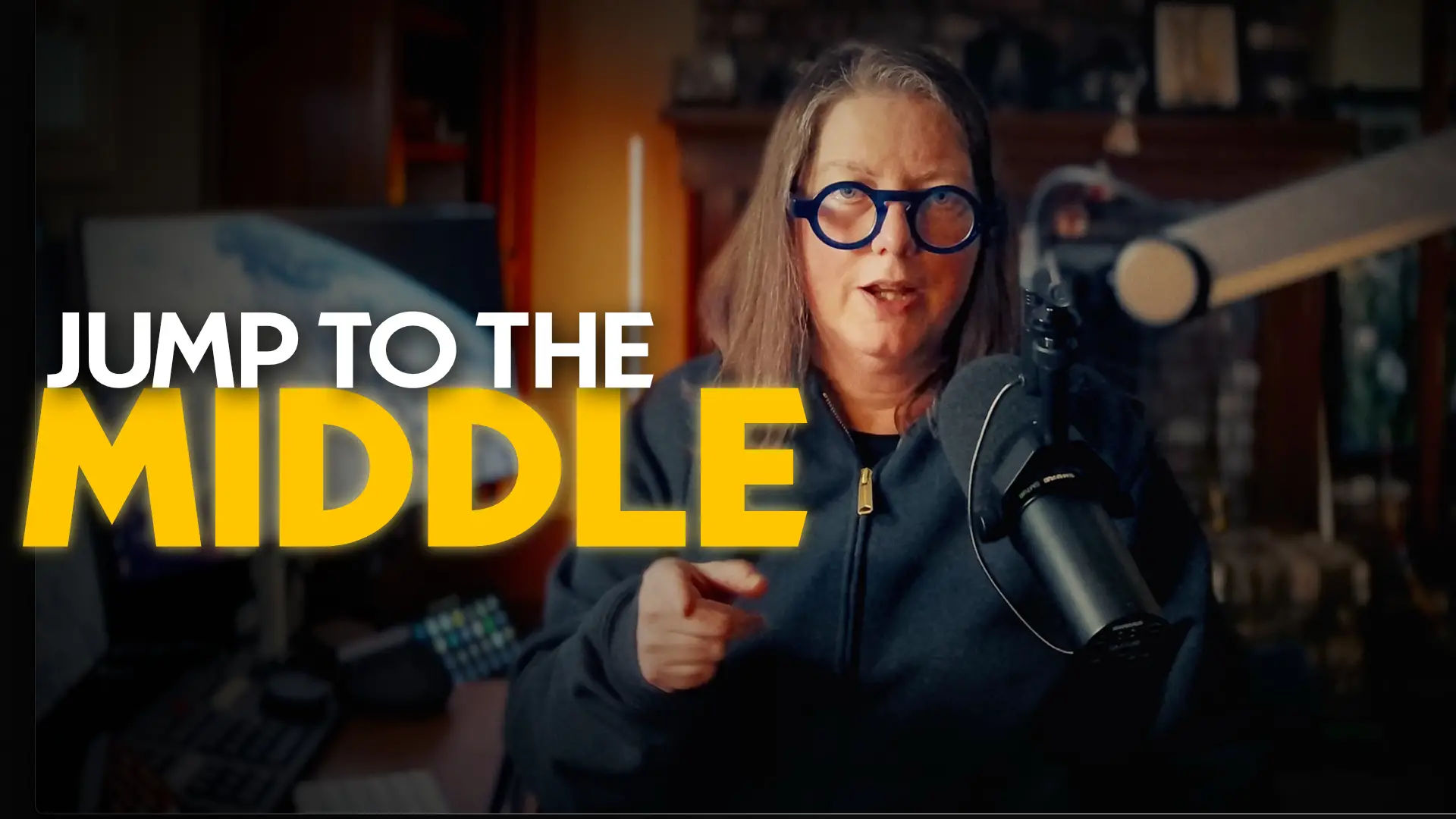
How to start an improv scene without backstory or exposition
ADHD, Autism, Improv, improv exercises, Neurodivergent, Neurodiversity, Solo improv, Your Improv Brain Show
Starting a scene with two people standing on stage asking “who are you?” or “what are we doing here?” is one of the fastest ways to lose your audience. And if you’ve done it, you already know how that feels. Backstory and long explanations make sense when you’re writing fiction. You need to get the…
Podcast series
Video series
Emotion in Improv: When to Start Big and When to Stay Grounded


Emotion in Improv: When to Start Big and When to Stay Grounded
How to Initiate an Improv Scene When Your Mind Goes Blank
Assume, Don't Ask: How to Start Better Improv Scenes
You Don't Need Backstory: Starting Improv Scenes in the Middle


